Lockouts need diagnosis
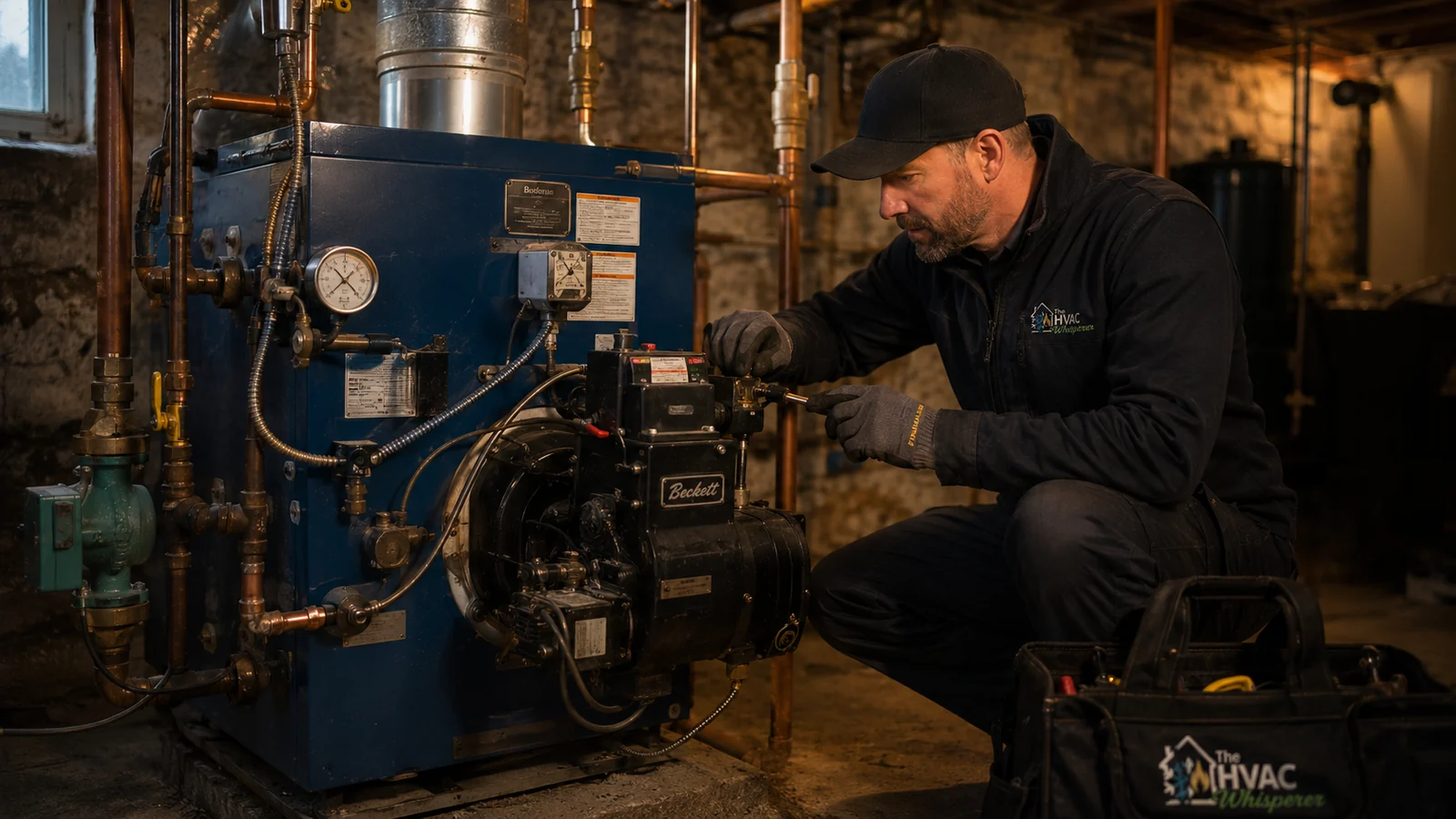
An oil burner reset button is not a repair. The cause of the lockout should be found before the system is run repeatedly.
Oil heat needs someone who understands ignition, fuel delivery, draft, combustion, controls, filters, nozzles, electrodes, and how rural homes actually use heat.
When you call, the work starts with the actual symptom, the equipment, the fuel source, the home, and the safest practical next step. You get a clear explanation before money is spent on parts, repairs, or replacement.
Homes across Gloversville, Johnstown, Amsterdam, Broadalbin, Mayfield, Fonda, Northville, Caroga Lake, and the Sacandaga region are not all built the same. Some homes are older city houses with natural gas. Some are rural oil or propane homes. Some are seasonal properties that sit empty part of the year. That local mix matters because the right repair, replacement, and maintenance timing can change from one property to the next.
An oil burner reset button is not a repair. The cause of the lockout should be found before the system is run repeatedly.
Nozzles, electrodes, filters, draft, smoke, air, and fuel quality all affect safe, reliable operation.
Oil equipment that sits through humid months often benefits from the right seasonal timing.
Tank condition, lines, filters, pumps, and fuel supply can all affect heat reliability.
Soot, odor, delayed ignition, or rough starts should be treated as service concerns, not normal behavior.
Oil heat, propane backup, older boilers, and longer drive routes need a contractor who understands local heating realities.
Homeowners do not call because they want a sales pitch. They call because something is not working, the house is uncomfortable, water is where it should not be, or a system is starting to feel unreliable. The service call should make the situation clearer, not more confusing.
That is why this work starts with the real symptom and the equipment in front of us. A system may look simple from the outside, but the cause can be in controls, fuel supply, airflow, water flow, venting, age, installation quality, maintenance history, or how the home is actually used.
The best answer is not always the most expensive answer. Sometimes a repair makes sense. Sometimes maintenance is enough. Sometimes replacement is the honest conversation. The difference should be explained in plain English before the homeowner decides.
That means the recommendation should match the system, not the sale. The goal is straight information, practical options, and work that protects the home.
Before any repair or replacement is recommended, the visit should make the problem, the options, and the next step clear.
The first step is understanding what the homeowner noticed: when the problem started, what changed, what sounds or smells are present, and whether the issue is getting worse.
Parts should not be replaced blindly. The system needs to be checked in the order that makes sense for the equipment, fuel, controls, safety, and symptoms.
A homeowner should understand what failed, what can be repaired, what should be watched, and when replacement deserves a real conversation.
Good service leaves better records behind. Notes, equipment details, photos, and follow-up items help future service start with information instead of guessing.
Before the visit is done, the system should be checked for safe operation and the conditions that could cause the problem again.
The homeowner should leave knowing what needs attention now, what can be watched, and what should be planned next.
A newer system with one failed part may deserve a repair. An older system with repeated failures, poor comfort, rising energy use, unsafe operation, or expensive parts may deserve a replacement discussion. A system that has been ignored for years may need maintenance and records updated before anyone can make a fair recommendation.
For customers who depend on fuel oil systems, spring shutdown maintenance can protect the system before it sits through humid months. In-town natural-gas systems are often better checked before heating season. AC should be looked at before the first hot stretch. Sump pumps should be checked before spring thaw and heavy rain. Timing matters because local homes do not all operate the same way.
CustomerPRO™ record support also matters. When equipment notes, service history, photos, and follow-up items are organized, future service is faster and less blind. That does not replace the technician. It gives the technician better context.
When maintenance and non-emergency work can be grouped by area, the schedule is easier to manage. Less wasted drive time means better availability and a more stable service day.
These options keep the decision moving without forcing everything into one stop. Read what fits your situation, then request service when you are ready.
Older houses, damp basements, rural fuel systems, seasonal properties, lake-area homes, and mixed heating layouts can all change what a technician checks first.
Photos, readings, age, condition, symptoms, maintenance history, and customer concerns help separate a clean repair from a larger planning decision.
The homeowner should know what is urgent, what is optional, what can be watched, and what deserves a direct conversation before money is spent.
Clear notes, CustomerPRO™ records, and honest closeout explanations reduce repeat guessing and make the next visit easier.
Cold snaps, spring thaw, humid basements, and lake-home schedules can change what should be handled first.
Older homes, tight mechanical rooms, rural routes, and mixed fuel systems can affect the practical repair path.
Every recommendation should make the service clearer, protect the home, and reinforce the standard behind The HVAC Whisperer: Built on Integrity, Driven by Excellence.
Homeowners dealing with oil burner repair need a clear explanation of what is happening before choosing repair, replacement, or maintenance.
The visit should check the equipment, controls, safety concerns, installation condition, service history, and the symptoms the homeowner is actually seeing.
Call when the problem repeats, gets worse, affects comfort, creates water risk, causes unusual noise or odor, or makes the system feel unreliable.
Fulton and Montgomery County homes include older city houses, rural properties, lake-area homes, basements, mixed fuels, and seasonal use patterns that change the service decision.
Good diagnosis protects the homeowner from paying for guesses and helps separate a simple repair from a bigger system decision.
The next step is chosen from the evidence: symptom, age, condition, safety, access, repair history, budget, and what protects the home best.
Call or request service for local homes across Fulton County, Montgomery County, and nearby routes.